Floral Background with Embroidery Wreath Review
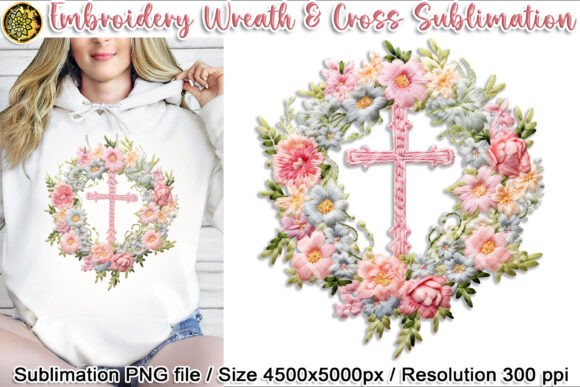
As a professional embroidery designer who has spent years refining brand identity for small businesses, I approach every new asset with a critical eye. When I first encountered the Floral Background with Embroidery Wreath, my immediate goal was to determine if this digital file could transition from a simple graphic into a high-value commercial embroidery project. For owners of boutiques, bakeries, florists, and creative studios, the choice of design assets often dictates the perceived quality of the entire brand. This review evaluates how the Floral Background with Embroidery Wreath performs in real-world scenarios, focusing on its potential for branded merchandise, patches, and custom apparel.
First Impressions: Visual Personality and Brand Fit
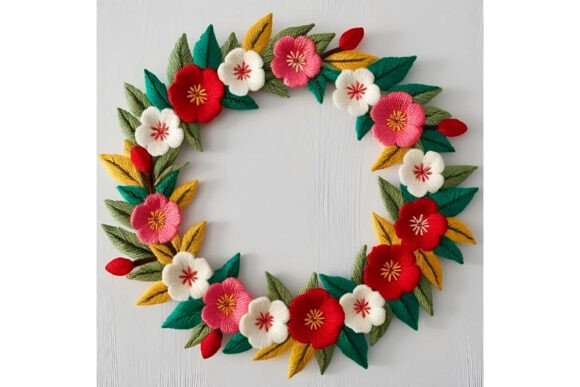
The title alone suggests a classic aesthetic that leans heavily into rustic, elegant, or handmade vibes. In the world of small business merch, a floral wreath is rarely just decoration; it is a signal of care, tradition, and organic quality. Upon visualizing the Floral Background with Embroidery Wreath, I see strong potential for brands that want to communicate warmth and craftsmanship. Unlike stark geometric logos, a floral design softens the corporate edge, making it ideal for a local café, a pet brand, or an Etsy seller looking to elevate their packaging.
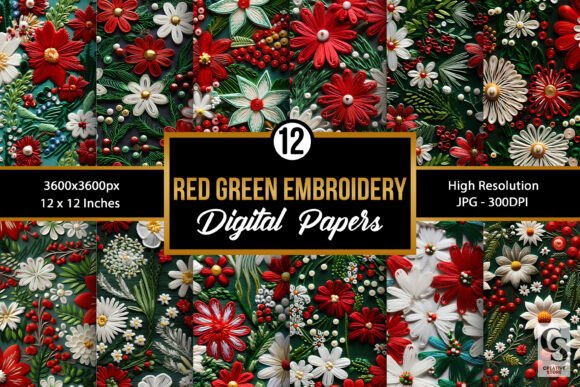
However, the description notes that you will receive a zip archive JPG 1 file. This is a crucial detail for any serious decorator. While the image serves as a beautiful reference for the final look, remember that a JPG is not a native machine embroidery design file. To use this for production, you must digitize it or have it converted by a professional. The "Backgrounds" category implies this might be a large-scale pattern, which requires careful adaptation when shrinking it down for a chest logo or a cap front.
Real-World Applications for Branded Merchandise
When considering where to apply the Floral Background with Embroidery Wreath, versatility is key. Here is how this design can transform various products:
- Embroidered Patches: A wreath is naturally suited for circular or oval patches. These can be sewn onto denim jackets, tote bags, or backpacks, serving as a distinct mark of your brand. The intricate nature of flowers allows for rich texture in the patch.
- Apron Embroidery: For a bakery or florist, placing a simplified version of this wreath on the bib of a staff apron adds a touch of class. It signals to customers that the team values aesthetics and attention to detail.
- Cap Embroidery: On a baseball cap, a wreath can frame a central monogram or text. However, the curve of the cap panel demands a design that flows well without distorting the petals or leaves.
- Tote Bag Design: Large tote bags offer ample space for the full background effect. A dense floral wreath here creates a premium feel, turning a simple canvas bag into a reusable shopping experience that customers are proud to carry.
- Product Labels and Packaging Accents: Even if not embroidered directly on fabric, using the digital file for printable mockups helps visualize how the finished product will look on tags or hangtags.
Critical Considerations for Production
While the concept is strong, the execution depends on technical precision. As a designer, I must warn against using complex floral backgrounds without testing. The description states that physical products will not be mailed, meaning you are responsible for the digitization and stitching process. Here are the specific challenges you must navigate:
Stitch Density and Detail
Floral designs often suffer from excessive stitch density if not managed correctly. If the Floral Background with Embroidery Wreath contains tiny leaves or fine lines, they may become muddy or break threads when stitched on textured fabric like fleece or heavy canvas. Always test the design in black and white first to ensure the contrast holds up before committing to expensive thread colors.
Size Limitations and Curved Surfaces
Do not attempt to place a full-background floral wreath on a small area like a sleeve or a standard cap front unless you significantly reduce the complexity. Small details disappear at small scales. You must check if the design works at a small patch size (e.g., 2 inches) before mass-producing. Additionally, curved surfaces require a design that accounts for the stretch of the fabric during hooping.
Fabric Texture and Stabilizer Choice
The success of this custom apparel project relies heavily on the substrate. Dark uniforms will require a backing to show off the lighter floral elements, while light fabrics need a stabilizer that prevents puckering. Always inspect spacing between elements to ensure the needle doesn't miss stitches on uneven textures.
Impact on Brand Identity and Customer Trust
Using a cohesive design like the Floral Background with Embroidery Wreath across multiple touchpoints builds visual consistency. When a customer sees the same elegant wreath on your staff's aprons, your shipping totes, and your product tags, it reinforces professionalism. This consistency increases customer trust and elevates the perceived value of your handmade products. A well-executed embroidered element suggests that the business cares about quality, which translates directly to buyer engagement and loyalty.
However, a poorly executed floral design—one that is pixelated, pucker-heavy, or misaligned—can damage your reputation. Ensure that the finished product meets your standards before launching a collection.
Practical Designer Notes for Implementation
If you decide to move forward with this digital embroidery file concept, follow these steps to ensure success:
- Verify Licensing: Confirm commercial licensing before business use. Since the product is a downloadable digital item, ensure the terms allow for reproduction on sellable goods.
- Digital Conversion: Remember that the provided JPG is a reference. You will need a proper embroidery file format (such as .PES, .DST, or .JEF) for your machine.
- Test Hoop Size: Confirm the hoop size required to stitch the design in one go versus splitting it into sections.
- Thread Color Contrast: Review thread colors against your fabric palette. High contrast is essential for visibility and impact.
- Create a Mockup: Use a printable mockup to show clients or stakeholders how the design looks on the actual garment before cutting thread.
- Compare Assets: Compare this design beside other design assets in your library to ensure it fits your overall brand aesthetic.
- Physical Test Run: Always test on real fabric with the correct stabilizer to catch any tension or registration issues early.
The Floral Background with Embroidery Wreath offers a beautiful foundation for branding, but it requires the expertise of a skilled designer to translate from a static image into a durable, high-quality textile application. By respecting the technical limitations and focusing on the end-user experience, you can turn this graphic into a powerful tool for your handmade product line.