Patchwork Giraffe Embroidery Design Review
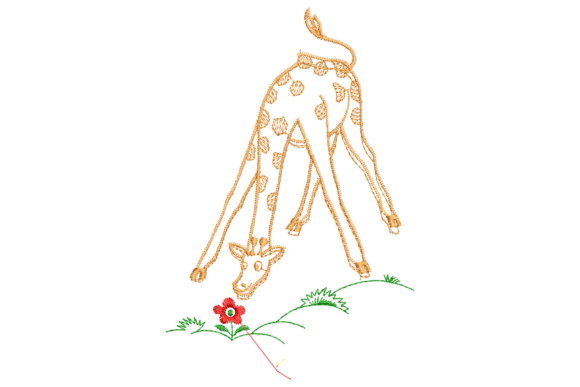
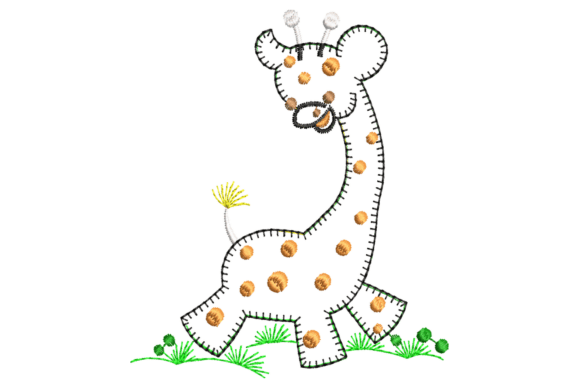
As a professional embroidery designer who has spent years translating digital files into tangible brand assets, I approach every new machine embroidery design with a critical eye. The goal is never just to make something pretty; it is to create a visual asset that works for a small business. Today, I am reviewing the Patchwork Giraffe Embroidery Design. This specific embroidery file promises a cartoon giraffe rendered in a charming patchwork style, mimicking soft pieces of fabric stitched together. The description highlights a mix of textures and patterns intended to give the character a cozy feel. But does this translate from a screen to a high-quality commercial product? Let's break down how this design performs for small business merch, branded patches, and custom apparel.
First Impressions: Visual Personality and Brand Fit
When I first load the Patchwork Giraffe Embroidery Design into my digitizing software, the immediate impression is one of warmth and approachability. The patchwork aesthetic naturally evokes a sense of craftsmanship and nostalgia. For businesses operating in the Nursery sector, children's boutiques, or handmade craft studios, this visual language is powerful. It signals that the brand values care, comfort, and a tactile experience.
However, the "patchwork" effect is a double-edged sword in commercial branding. If executed poorly, it can look cluttered or messy. In this design, the mix of textures appears intentional, creating depth without overwhelming the silhouette. For a bakery wanting to appear rustic and homey, or a florist aiming for a whimsical vibe, this design fits perfectly. It moves away from the sterile, corporate look often found in standard logos and embraces a more human, handmade product aesthetic. This is crucial for building brand identity in saturated markets where customers crave authenticity.
Real-World Applications for Small Businesses
The versatility of the Patchwork Giraffe Embroidery Design makes it an excellent candidate for various commercial embroidery projects. Here is how I see this design performing across different merchandise categories:
- Embroidered Patches: This is arguably the strongest use case. The patchwork style thrives when framed as a distinct badge. A business could sell these as standalone collectibles or sew them onto denim jackets and tote bags. The textured look adds value, making the patch feel like a piece of art rather than a simple logo.
- Apron Embroidery: For a café or boutique, placing this design on the chest pocket or bib of staff aprons creates an instant team identity. The playful nature of the giraffe softens the work environment and invites customer interaction.
- Tote Bag Design: A large-scale application on canvas totes allows the intricate details of the patchwork pattern to shine. This turns a simple shopping bag into a promotional tool that people actually want to carry.
- Cap Embroidery: While tricky due to size constraints, a simplified version of this design on a baseball cap brim or front panel can serve as a subtle yet effective brand marker for event staff or loyal customers.
- Product Packaging Accents: Imagine a gift box or a clothing tag featuring a small embroidered swatch of this design. It elevates the unboxing experience and reinforces the premium, handcrafted nature of the goods inside.
Critical Considerations for Production
While the concept is strong, experienced designers know that execution is everything. Before committing the Patchwork Giraffe Embroidery Design to a production run, there are several technical factors to evaluate to ensure the finished product meets quality standards.
Stitch Density and Fabric Texture
The description mentions a "mix of textures," which in embroidery terms usually implies varying stitch directions and densities. On heavy fabrics like denim or canvas, this works beautifully. However, on lighter materials such as thin cotton shirts or knit uniforms, high stitch density can cause puckering. I always recommend testing the design on the actual fabric intended for use. If the patchwork sections are too dense, they may distort the garment, ruining the professional look you are trying to achieve.
Size Constraints and Detail Loss
A common pitfall with detailed designs is scaling them down too aggressively. If you plan to use this for cap embroidery or tiny sleeve details, the intricate patchwork lines might blur together. The "soft pieces of fabric" effect relies on clear separation between color blocks. At very small sizes, these distinctions can vanish, resulting in a muddy appearance. Always check the minimum recommended size for the digital embroidery file before finalizing your order.
Thread Colors and Contrast
The charm of this design lies in its color palette. When selecting thread colors, ensure there is sufficient contrast between the "fabric pieces." Low contrast can make the patchwork effect invisible, reducing the design to a flat shape. Additionally, consider the background fabric. Placing a multi-colored patchwork giraffe on a dark uniform requires careful underlay planning to prevent the threads from sinking into the material.
Strategic Branding and Customer Trust
Using a cohesive design asset like the Patchwork Giraffe Embroidery Design across your merchandise does more than just decorate; it builds trust. Consistency in visual presentation tells customers that your business is organized and professional. When a client sees the same high-quality embroidered motif on your staff's custom apparel, your packaging, and your promotional items, it reinforces recognition.
For Etsy sellers and crafters, this design offers a unique selling proposition. In a sea of generic prints, an embroidered element suggests durability and luxury. It justifies a higher price point because the customer perceives added value in the time and skill required to embroider versus print. This perception directly impacts buyer engagement and repeat purchases.
Practical Designer Notes for Implementation
To get the best results with this embroidery file, follow these professional guidelines:
- Test in Black and White First: Before running a full-color sample, test the design in monochrome to verify the stitch flow and spacing. This helps identify potential thread breaks or registration issues.
- Verify Hoop Size: Ensure your machine's hoop size accommodates the full width and height of the giraffe without needing to re-hoop, which can lead to alignment errors.
- Select the Right Stabilizer: Given the texture implied by the patchwork style, a tear-away stabilizer might not provide enough support. A cut-away stabilizer is often better for maintaining the integrity of the design over time, especially on stretchy fabrics.
- Create a Printable Mockup: Before sending the design to a decorator, generate a printable mockup showing the design on your specific products. This allows for client approval and ensures the scale looks correct in context.
- Confirm Licensing: As a business owner, always confirm the commercial licensing terms of the Patchwork Giraffe Embroidery Design. Ensure you have the right to reproduce it on items you intend to sell, whether they are small business merch or gifts for clients.
In conclusion, the Patchwork Giraffe Embroidery Design is a delightful addition to any creative studio's library. With its cozy, textured aesthetic, it bridges the gap between playful and professional. By carefully managing stitch density, fabric choice, and sizing, small business owners can leverage this design to create memorable, high-value merchandise that truly stands out.