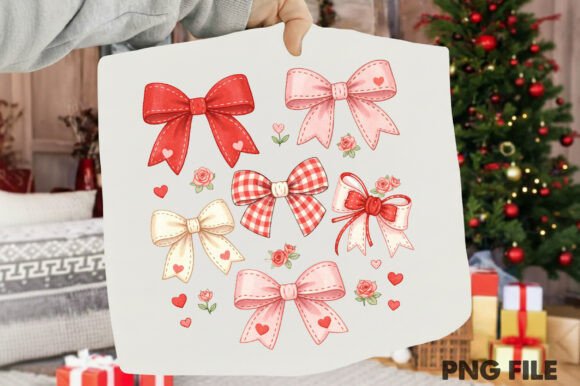
Valentine's Day Embroidery Clipart Review
As a professional embroidery designer who has spent years translating digital concepts into tangible stitched goods, I approach every new asset with a critical eye. My goal is not just to create something pretty, but to deliver a finished product that elevates a brand and withstands the rigors of daily use. Recently, I evaluated a specific set of assets titled Valentine s Day Embroidery Clipart. While the title suggests immediate applicability for our industry, the description reveals a crucial nuance that every small business owner must understand before integrating these files into their production workflow.
First Impressions: Visual Personality and Brand Fit
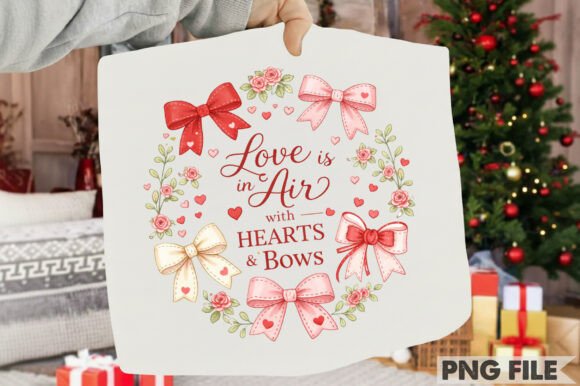
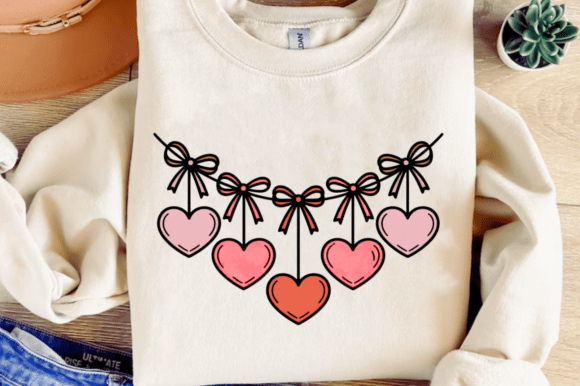
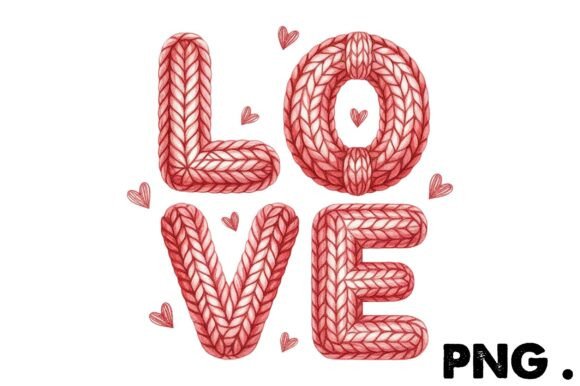
At first glance, the Valentine s Day Embroidery Clipart presents a charming aesthetic suitable for seasonal marketing. The visual style leans towards playful and decorative, which can be excellent for boutique merchandise or event-specific items. However, when reviewing Graphics intended for commercial use, I immediately look for scalability and clarity. For a café looking to add a seasonal touch to staff aprons or a florist wanting branded tote bags, the imagery needs to communicate warmth without appearing cluttered.
The design falls under the category of Illustrations, which often implies a higher level of artistic detail. In the world of machine embroidery design, high detail is a double-edged sword. It adds value to a handmade product if executed correctly, but it can become a muddy mess if the stitch density is too high for the chosen fabric. The initial impression is one of festive elegance, but the true test lies in how these visuals translate from a screen to a physical thread count.
Critical Format Considerations for Production
Here is where the review becomes technical and vital for your business success. The product description explicitly states: "These PNG files were designed specifically for Sublimation projects or for printing. Please be knowledgeable about the Sublimation process before purchasing. These are NOT SVG files and are not layered."
This is a pivotal distinction. If you are an embroidery shop owner expecting a vector file to digitize, this asset will not work as a direct embroidery file. You cannot simply import a PNG into your digitizing software and expect clean stitch paths. Instead, these files serve as reference art or print-ready assets for sublimation on polyester blends. For businesses focused on custom apparel using traditional stitching, you would need to hire a digitizer to trace these images and convert them into a proper format. Attempting to embroider directly from a raster image without proper conversion leads to jagged edges and poor stitch density.
Real-World Applications for Small Business Merch
Despite the format limitations for direct stitching, the visual concept behind Valentine s Day Embroidery Clipart offers immense potential for small business merch if adapted correctly. Let's explore how these designs can function across various mediums:
- Embroidered Patches: If you commission a patch maker to use these illustrations as a base, they can create durable badges for uniforms. A well-made embroidered patch featuring this Valentine theme can be sewn onto denim jackets, backpacks, or canvas totes, adding a premium feel to your brand identity.
- Apron Embroidery and Cap Designs: For a bakery or café, adapting the core elements of the clipart for apron embroidery creates a cohesive team look. Similarly, simplifying the design for cap embroidery ensures visibility even at a distance. The key is reducing complexity to fit the curved surface of a hat front.
- Tote Bag Design: Since the files are optimized for printing, they are perfect for sublimating onto polyester tote bags. This allows for full-color gradients that thread cannot replicate, offering a vibrant alternative to traditional stitching for promotional giveaways.
- Product Packaging Accents: Use the printable nature of these files to create stickers or labels for gift boxes. This maintains visual consistency across your design assets without requiring heavy machinery.
Navigating Challenges: Where Caution is Required
When considering Valentine s Day Embroidery Clipart for any textile application, there are specific areas where caution is paramount. Detailed illustrations often struggle on textured fabrics like corduroy or heavy wool. The intricate lines may get lost in the weave, ruining the professional appearance of the finished product.
Furthermore, small patch sizes pose a significant risk. If you attempt to shrink a complex illustration to fit a tiny chest logo, the details will merge. This is particularly problematic for cap embroidery where space is limited. Tiny lettering or fine outlines within the clipart should be avoided on dark uniforms unless you use a high-quality backing and light-colored threads to ensure contrast.
Frequent washing is another factor. High-density areas in a converted embroidery design can cause puckering on stretchy fabrics. If you plan to use this for staff shirts that go through industrial laundry cycles, you must test the durability of the stitch pattern first.
Impact on Brand Identity and Customer Trust
The quality of your merchandise directly influences customer perception. A blurry or poorly stitched logo undermines trust. Conversely, a crisp, well-executed design reinforces professionalism. When you utilize Valentine s Day Embroidery Clipart correctly—either by printing it via sublimation or having it professionally digitized for stitching—you signal attention to detail.
For Etsy sellers and handmade brands, this visual consistency builds recognition. Whether it is a tote bag design carried down the street or a branded patch on a volunteer shirt, the imagery acts as a mobile billboard. However, because these are PNGs meant for printing, relying on them for embroidery without conversion can lead to a cheap look. To maintain buyer engagement, ensure the final output matches the quality of your other commercial embroidery projects.
Practical Designer Notes for Implementation
Before you commit to production, follow these steps to ensure success with these assets:
- Test in Black and White: Print the PNG in grayscale to check if the design holds up without color. If the details vanish, the design is too complex for small-scale embroidery.
- Verify Licensing: Confirm the commercial licensing terms before using these files for small business merch. Ensure you have the right to modify and reproduce them for sale.
- Create a Mockup: Generate a printable mockup to visualize how the design looks on a cap, apron, or tote. This helps clients approve the concept before spending money on materials.
- Check Thread Colors: If converting to embroidery, review the thread colors needed. Complex gradients in the PNG may require excessive thread changes, increasing production time and cost.
- Inspect Spacing and Hoop Size: Determine the required hoop size for the converted design. Ensure there is enough spacing between elements to prevent tangling during the stitching process.
- Use Proper Stabilizer: Regardless of the method, always use the correct stabilizer for your fabric texture to prevent distortion.
In conclusion, Valentine s Day Embroidery Clipart is a valuable resource for businesses focusing on sublimation and printed goods. For those dedicated to traditional stitching, it serves as excellent inspiration but requires professional digitization to achieve a high-quality result. By understanding the limitations of the file format and applying sound design principles, you can create merchandise that enhances your brand and delights your customers.